

Effective Teaching Methods and Classroom Management in Intensive Language teaching


5000 so'm
Effective Teaching Methods and Classroom Management in Intensive Language teaching mavzusidagi tayyor PPTX taqdimot. Ingliz tili darsi uchun mavzu, misollar va asosiy tushunchalar jamlangan.
- Slaydlar soni: 28 ta
- Fayl formati: PPTX
- Tili: o‘zbek tili
- Kategoriya: Ingliz tili
Slayd 1
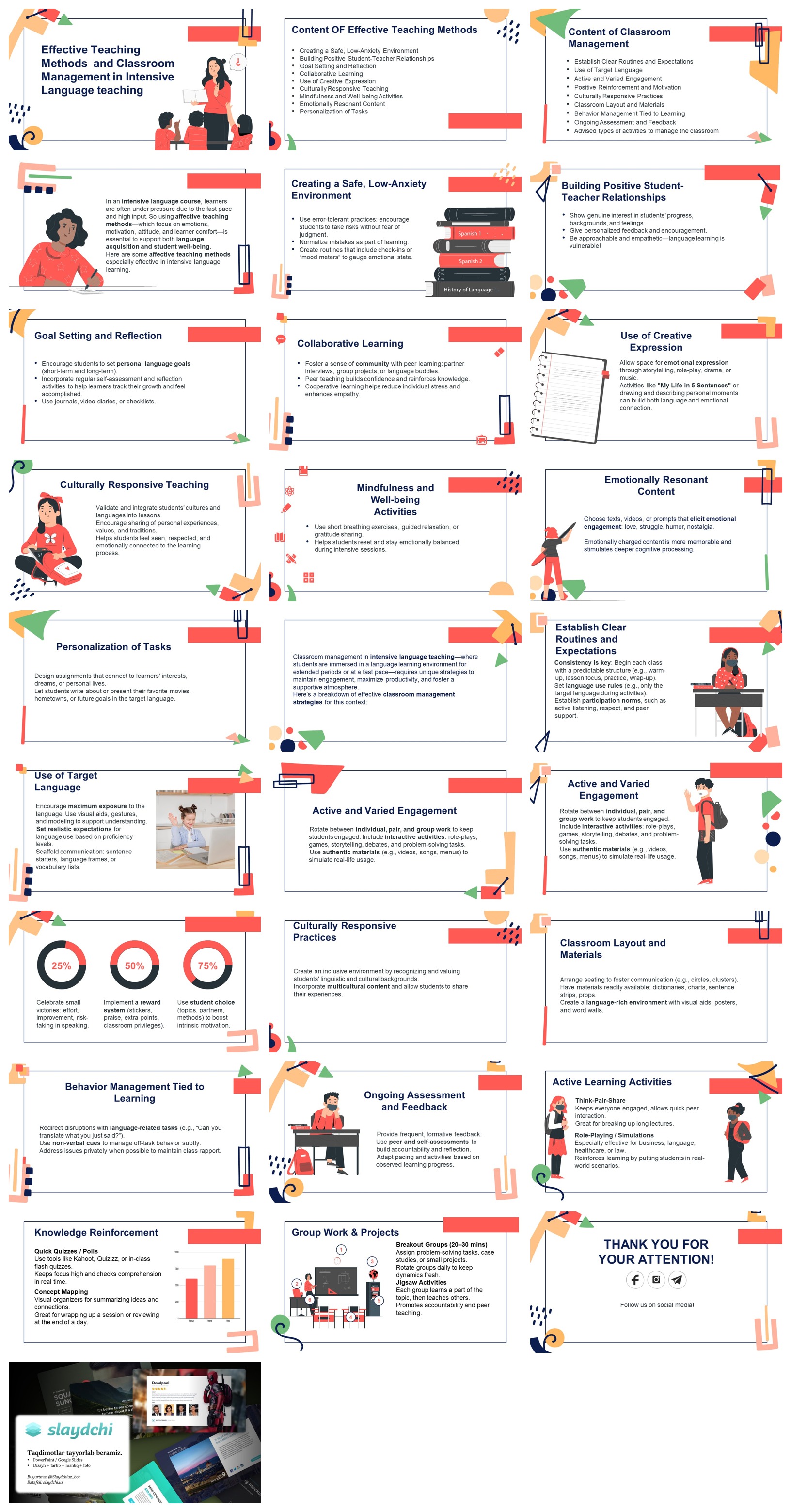
Effective Teaching Methods and Classroom Management in Intensive Language teaching
Slayd 2
Content OF Effective Teaching Methods
Creating a Safe, Low-Anxiety Environment
Building Positive Student-Teacher Relationships
Goal Setting and Reflection
Collaborative Learning
Use of Creative Expression
Culturally Responsive Teaching
Mindfulness and Well-being Activities
Emotionally Resonant Content
Personalization of Tasks
Slayd 3
Content of Classroom Management
Establish Clear Routines and Expectations
Use of Target Language
Active and Varied Engagement
Positive Reinforcement and Motivation
Culturally Responsive Practices
Classroom Layout and Materials
Behavior Management Tied to Learning
Ongoing Assessment and Feedback
Advised types of activities to manage the classroom
Slayd 4
In an intensive language course, learners are often under pressure due to the fast pace and high input. So using affective teaching methods—which focus on emotions, motivation, attitude, and learner comfort—is essential to support both language acquisition and student well-being.
Here are some affective teaching methods especially effective in intensive language learning.
Slayd 5
Creating a Safe, Low-Anxiety Environment
Use error-tolerant practices: encourage students to take risks without fear of judgment.
Normalize mistakes as part of learning.
Create routines that include check-ins or “mood meters” to gauge emotional state.
Slayd 6
Building Positive Student-Teacher Relationships
Show genuine interest in students’ progress, backgrounds, and feelings.
Give personalized feedback and encouragement.
Be approachable and empathetic—language learning is vulnerable!
6th Grade
Slayd 7
Goal Setting and Reflection
Encourage students to set personal language goals (short-term and long-term).
Incorporate regular self-assessment and reflection activities to help learners track their growth and feel accomplished.
Use journals, video diaries, or checklists.
Slayd 8
Foster a sense of community with peer learning: partner interviews, group projects, or language buddies.
Peer teaching builds confidence and reinforces knowledge.
Cooperative learning helps reduce individual stress and enhances empathy.
Collaborative Learning
Slayd 9
Use of Creative Expression
Allow space for emotional expression through storytelling, role-play, drama, or music.
Activities like «My Life in 5 Sentences» or drawing and describing personal moments can build both language and emotional connection.
Slayd 10
Validate and integrate students’ cultures and languages into lessons.
Encourage sharing of personal experiences, values, and traditions.
Helps students feel seen, respected, and emotionally connected to the learning process.
Culturally Responsive Teaching
Jupiter
Slayd 11
Mindfulness and Well-being Activities
Use short breathing exercises, guided relaxation, or gratitude sharing.
Helps students reset and stay emotionally balanced during intensive sessions.
Slayd 12
Choose texts, videos, or prompts that elicit emotional engagement: love, struggle, humor, nostalgia.
Emotionally charged content is more memorable and stimulates deeper cognitive processing.
Emotionally Resonant Content
Slayd 13
Design assignments that connect to learners’ interests, dreams, or personal lives.Let students write about or present their favorite movies, hometowns, or future goals in the target language.
Personalization of Tasks
Slayd 14
Classroom management in intensive language teaching—where students are immersed in a language learning environment for extended periods or at a fast pace—requires unique strategies to maintain engagement, maximize productivity, and foster a supportive atmosphere.
Here’s a breakdown of effective classroom management strategies for this context:
Slayd 15
Establish Clear Routines and Expectations
Consistency is key: Begin each class with a predictable structure (e.g., warm-up, lesson focus, practice, wrap-up).
Set language use rules (e.g., only the target language during activities).
Establish participation norms, such as active listening, respect, and peer support.
ESPAÑOL
Slayd 16
Use of Target Language
Encourage maximum exposure to the language. Use visual aids, gestures, and modeling to support understanding.
Set realistic expectations for language use based on proficiency levels.
Scaffold communication: sentence starters, language frames, or vocabulary lists.
Slayd 17
Active and Varied Engagement
Rotate between individual, pair, and group work to keep students engaged. Include interactive activities: role-plays, games, storytelling, debates, and problem-solving tasks.
Use authentic materials (e.g., videos, songs, menus) to simulate real-life usage.
Slayd 18
Active and Varied Engagement
Rotate between individual, pair, and group work to keep students engaged.
Include interactive activities: role-plays, games, storytelling, debates, and problem-solving tasks.
Use authentic materials (e.g., videos, songs, menus) to simulate real-life usage.
Slayd 19
25%
50%
75%
Celebrate small victories: effort, improvement, risk-taking in speaking.
Implement a reward system (stickers, praise, extra points, classroom privileges).
Use student choice (topics, partners, methods) to boost intrinsic motivation.
Slayd 20
Culturally Responsive Practices
Create an inclusive environment by recognizing and valuing students’ linguistic and cultural backgrounds.
Incorporate multicultural content and allow students to share their experiences.
Slayd 21
Classroom Layout and Materials
Arrange seating to foster communication (e.g., circles, clusters).
Have materials readily available: dictionaries, charts, sentence strips, props.
Create a language-rich environment with visual aids, posters, and word walls.
Slayd 22
Behavior Management Tied to Learning
Redirect disruptions with language-related tasks (e.g., “Can you translate what you just said?”).
Use non-verbal cues to manage off-task behavior subtly.
Address issues privately when possible to maintain class rapport.
Slayd 23
Ongoing Assessment and Feedback
Provide frequent, formative feedback.
Use peer and self-assessments to build accountability and reflection.
Adapt pacing and activities based on observed learning progress.
Slayd 24
Think-Pair-Share
Keeps everyone engaged, allows quick peer interaction.
Great for breaking up long lectures.
Active Learning Activities
Role-Playing / Simulations
Especially effective for business, language, healthcare, or law.
Reinforces learning by putting students in real-world scenarios.
Slayd 25
Knowledge Reinforcement
Quick Quizzes / Polls
Use tools like Kahoot, Quizizz, or in-class flash quizzes.
Keeps focus high and checks comprehension in real time.
Concept Mapping
Visual organizers for summarizing ideas and connections.
Great for wrapping up a session or reviewing at the end of a day.
Slayd 26
Group Work & Projects
Breakout Groups (20–30 mins)
Assign problem-solving tasks, case studies, or small projects.
Rotate groups daily to keep dynamics fresh.
Jigsaw Activities
Each group learns a part of the topic, then teaches others.
Promotes accountability and peer teaching.
1
2
3
4
5
6
Slayd 27
THANK YOU FOR YOUR ATTENTION!
Follow us on social media!
Slayd 28
Foydali havolalar
🛒 Barcha taqdimotlar | 📰 Yangiliklar | ℹ️ Biz haqimizda
Tegishli mahsulotlar

INDEFINITE PRONOUNS GUMON OLMOSHLARI SOME, ANY OLMOSHLARI mavzusidagi tayyor PPTX taqdimot. Ingliz tili darsi uchun mavzu, misollar va asosiy tushunchalar jamlangan.
- Slaydlar soni: 14 ta
- Fayl formati: PPTX
- Tili: o‘zbek tili
- Kategoriya: Ingliz tili

CONTINUOUS TENSES IN ENGLISH GRAMMAR mavzusidagi tayyor PPTX taqdimot. Ingliz tili darsi uchun mavzu, misollar va asosiy tushunchalar jamlangan.
- Slaydlar soni: 48 ta
- Fayl formati: PPTX
- Tili: o‘zbek tili
- Kategoriya: Ingliz tili


DIFFERENCES BETWEEN BRITISH AND AMERICAN ENGLISH mavzusidagi tayyor PPTX taqdimot. Ingliz tili darsi uchun mavzu, misollar va asosiy tushunchalar jamlangan.
- Slaydlar soni: 40 ta
- Fayl formati: PPTX
- Tili: o‘zbek tili
- Kategoriya: Ingliz tili

CLASSROOM MANAGEMENT IN WORKING WITH DEFFERENT AGES mavzusidagi tayyor PPTX taqdimot. Ingliz tili darsi uchun mavzu, misollar va asosiy tushunchalar jamlangan.
- Slaydlar soni: 18 ta
- Fayl formati: PPTX
- Tili: o‘zbek tili
- Kategoriya: Ingliz tili


LEXICAL EXPRESSIVE MEANS AND STYLISTIC DEVICES mavzusidagi tayyor PPTX taqdimot. Ingliz tili darsi uchun mavzu, misollar va asosiy tushunchalar jamlangan.
- Slaydlar soni: 25 ta
- Fayl formati: PPTX
- Tili: o‘zbek tili
- Kategoriya: Ingliz tili

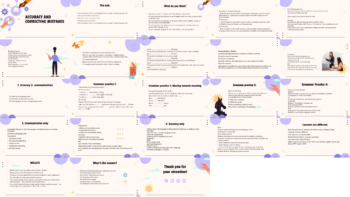
ACCURACY AND CORRECTING MISTAKES mavzusidagi tayyor PPTX taqdimot. Ingliz tili darsi uchun mavzu, misollar va asosiy tushunchalar jamlangan.
- Slaydlar soni: 24 ta
- Fayl formati: PPTX
- Tili: o‘zbek tili
- Kategoriya: Ingliz tili

PRONOUNS mavzusidagi tayyor PPTX taqdimot. Ingliz tili darsi uchun mavzu, misollar va asosiy tushunchalar jamlangan.
- Slaydlar soni: 27 ta
- Fayl formati: PPTX
- Tili: o‘zbek tili
- Kategoriya: Ingliz tili

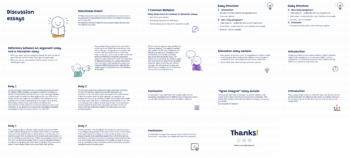
DISCUSSION ESSAYS mavzusidagi tayyor PPTX taqdimot. Ingliz tili darsi uchun mavzu, misollar va asosiy tushunchalar jamlangan.
- Slaydlar soni: 19 ta
- Fayl formati: PPTX
- Tili: o‘zbek tili
- Kategoriya: Ingliz tili

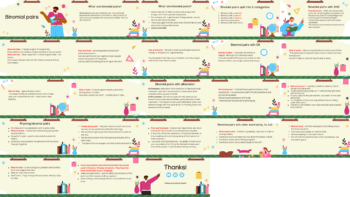
BINOMIAL PAIRS mavzusidagi tayyor PPTX taqdimot. Ingliz tili darsi uchun mavzu, misollar va asosiy tushunchalar jamlangan.
- Slaydlar soni: 24 ta
- Fayl formati: PPTX
- Tili: o‘zbek tili
- Kategoriya: Ingliz tili

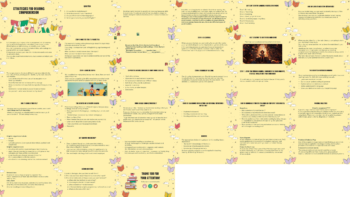
STRATEGIES FOR READING COMPREHENSION mavzusidagi tayyor PPTX taqdimot. Ingliz tili darsi uchun mavzu, misollar va asosiy tushunchalar jamlangan.
- Slaydlar soni: 33 ta
- Fayl formati: PPTX
- Tili: o‘zbek tili
- Kategoriya: Ingliz tili
METHODOLOGICAL ASPECTS OF TRANSLATION mavzusidagi tayyor PPTX taqdimot. Ingliz tili darsi uchun mavzu, misollar va asosiy tushunchalar jamlangan.
- Slaydlar soni: 31 ta
- Fayl formati: PPTX
- Tili: o‘zbek tili
- Kategoriya: Ingliz tili

WHAT IS LEXICOGRAPHY mavzusidagi tayyor PPTX taqdimot. Ingliz tili darsi uchun mavzu, misollar va asosiy tushunchalar jamlangan.
- Slaydlar soni: 28 ta
- Fayl formati: PPTX
- Tili: o‘zbek tili
- Kategoriya: Ingliz tili
Sharhlar
Hali sharhlar mavjud emas.